


Iraqi Parliamentarian Warns, Obama’s Vision to Become ‘A Joke and a Tragedy’ if Iran Gets the Bomb
Distressing news out of Iran yesterday as that nation’s theocratic leaders continue to defy the international community by testing a long-range missile that could reach Europe or Israel.
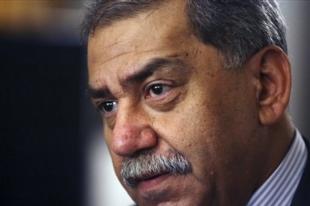
In a number of interviews I have conducted with him since September, Iraqi Parliamentarian Mithal al-Alusi has warned that Iran is much closer to attaining nuclear capability than most international estimates suggest.
Although he is generally averse to war, he believes a military operation is the only option now for stopping Iran, the sooner the better. For every month that elapses, the human and environmental costs will be greater, he cautions.
Why do international leaders wait?” he says. “To act now is best to save [the most] human beings. In several months, the danger of radioactivity to human beings and nature will be far worse.”
“I think a military operation is the only option now,” he told me recently. “Otherwise, Obama’s vision and the vision of others who look forward to freedom and peace will be a joke and a tragedy.”
This entry was written by Heather Robinson and posted on December 17, 2009 at 3:24 am and filed under Blog. permalink. Follow any comments here with the RSS feed for this post. Keywords: dissidents, Iran, Iraq, President-Obama. Post a comment or leave a trackback: Trackback URL. */?>